Regulatory Influences on Niche Wagering Markets for Combat Sports and Motorsports Within Austria's Licensed Betting Frameworks
Amir Krause · Aug 22, 2026
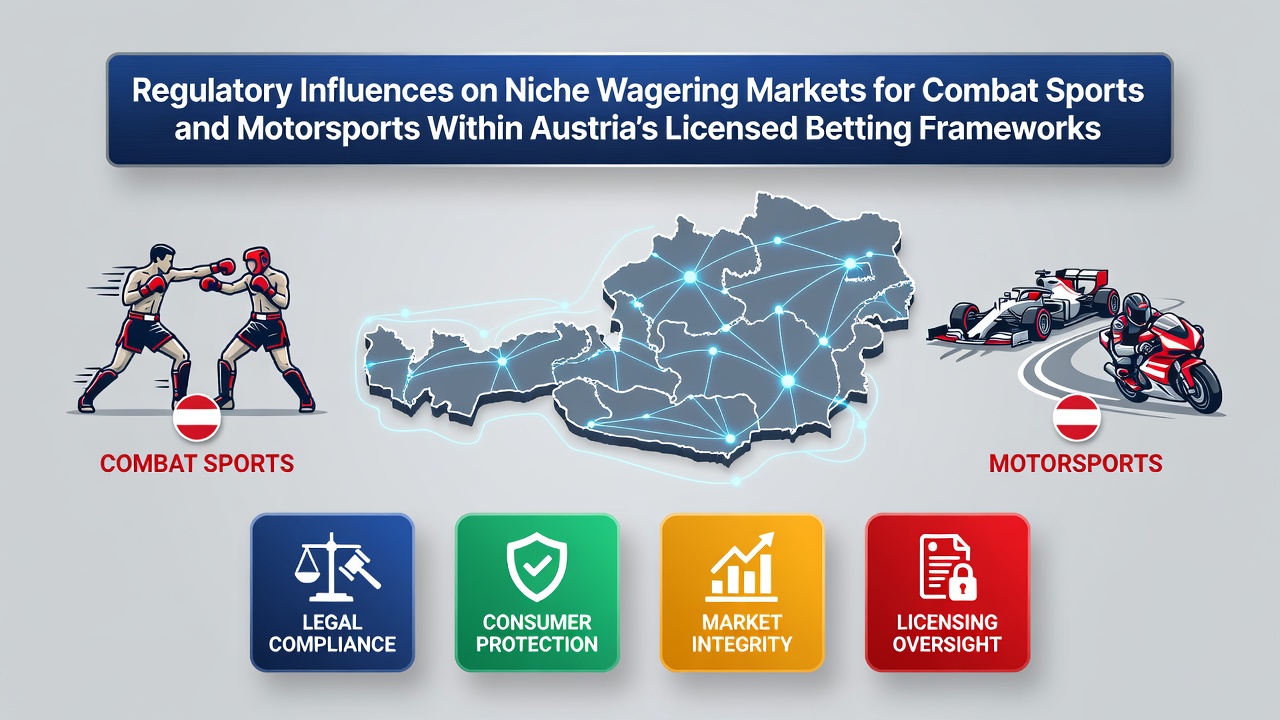
Regulatory Influences on Niche Wagering Markets for Combat Sports and Motorsports Within Austria's Licensed Betting Frameworks
Austria maintains a structured licensing system for sports betting that extends to niche categories such as combat sports and motorsports, where operators must comply with federal and state-level rules before offering markets on events like mixed martial arts bouts or Formula 1 races. The framework requires applicants to demonstrate financial stability, technical security measures, and adherence to responsible gambling protocols, while specific provisions address the higher integrity risks associated with these disciplines.
Licensing Requirements for Niche Markets
Operators seeking to cover combat sports and motorsports must obtain concessions under the Austrian Gambling Act, which distinguishes between land-based and online channels, and they face additional scrutiny when proposing bets on individual athlete performances or race outcomes. These concessions limit the types of wagers permitted, for instance restricting complex prop bets in MMA events unless the operator proves adequate monitoring systems against manipulation, and they tie approval to ongoing audits that verify compliance with anti-match-fixing standards. Data from regulatory filings show that only a subset of licensed entities currently list motorsport markets, largely because event organizers in those series impose their own data-sharing conditions that align with Austrian transparency mandates.
Impact on Combat Sports Wagering
Combat sports betting in Austria operates within parameters that require clear separation between pre-event and live markets, since regulatory guidelines emphasize real-time oversight to prevent irregularities during fights. Licensed platforms must integrate feeds from recognized sanctioning bodies, which restricts the range of available odds on undercard bouts or regional promotions compared with mainstream football fixtures. Observers note that this setup channels most activity toward major international events such as UFC cards, where established governance structures reduce the administrative burden on Austrian licensees.
Motorsports Market Constraints and Opportunities
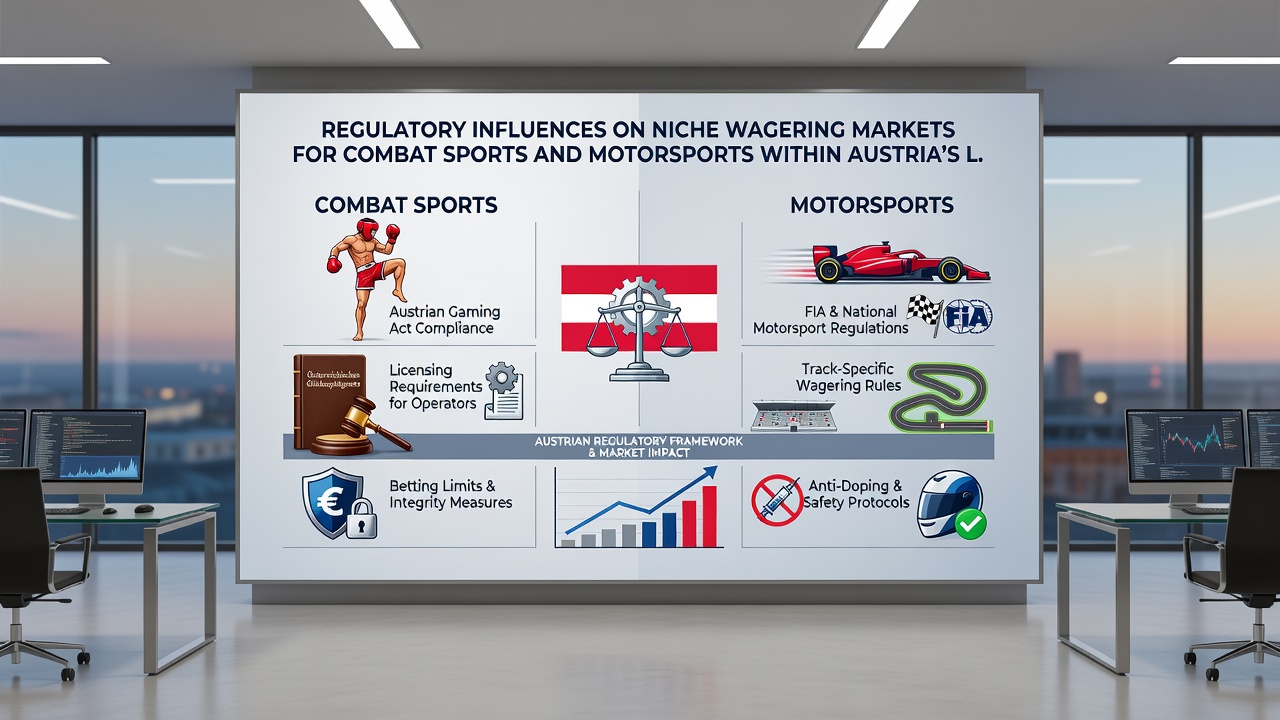
Motorsport wagering faces parallel restrictions centered on safety-related exclusions, with rules prohibiting bets on mechanical failures or driver disqualifications that could intersect with insurance or liability issues. Yet the framework permits extensive pre-race markets on qualifying positions and championship standings, provided operators maintain geo-fencing that confines participation to verified Austrian accounts. Reports compiled by the European Gaming and Betting Association indicate that motorsport turnover within licensed Austrian channels grew steadily through 2025, driven by expanded coverage of MotoGP and endurance series that satisfy the required integrity certifications.
Developments Anticipated in August 2026
Regulatory updates scheduled for review in August 2026 are expected to refine the criteria for niche event approvals, particularly around data partnerships with international federations that govern combat and motorsport calendars. These revisions aim to standardize reporting formats for suspicious betting patterns, building on existing cooperation protocols between Austrian authorities and European sports integrity networks. Licensed operators have already begun adjusting their compliance teams in anticipation, since failure to meet the new documentation thresholds could result in temporary suspension of specific market categories.
Comparative Context from Other Jurisdictions
Research conducted at the University of Sydney's Gambling Research Centre highlights how Austria's approach differs from frameworks in Australia and Canada, where motorsport betting often incorporates dedicated integrity levies paid directly to series organizers. Austrian licensees instead absorb these costs internally while still meeting federal tax obligations on gross gaming revenue from niche products. The contrast illustrates why some operators limit their Austrian offerings to headline events rather than expanding into lower-tier competitions that carry heavier compliance overhead.
Conclusion
Austria's licensed betting system channels niche wagering on combat sports and motorsports through tightly defined approval pathways that balance market access with integrity safeguards. Operators navigate these rules by aligning their product portfolios with verified event data and scheduled regulatory milestones, including those slated for August 2026. The resulting environment supports consistent availability of major markets while maintaining documented oversight that satisfies both national and European standards.