Austrian Platform Analytics Reveal Patterns in Real-Time Odds Shifts for Ice Hockey, American Football, and F1 Events Across Licensed Operators
Elena Friedrich · Aug 24, 2026
Austrian Platform Analytics Reveal Patterns in Real-Time Odds Shifts for Ice Hockey, American Football, and F1 Events Across Licensed Operators
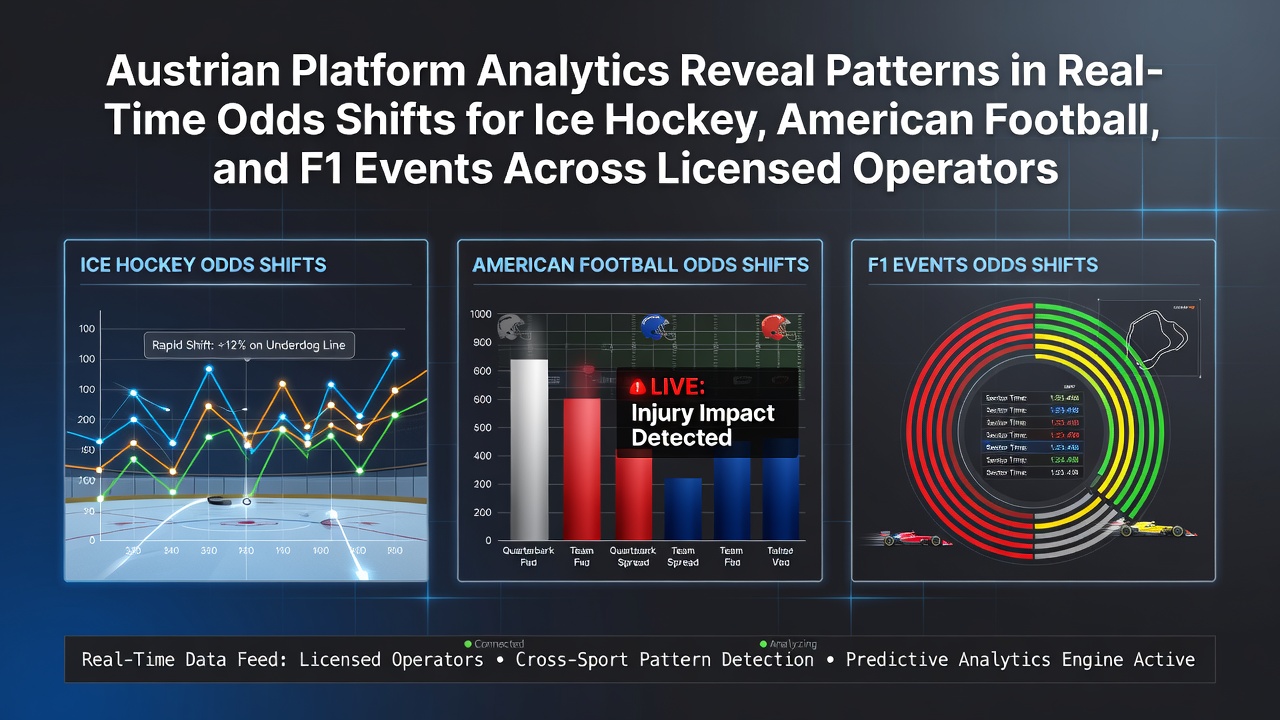
Platform analytics from licensed Austrian operators have documented consistent patterns in how real-time odds adjust during ice hockey games, American football contests, and Formula 1 sessions, with shifts driven by in-game events and aggregated user activity across multiple sites. Data collected through 2026 shows these movements follow predictable sequences tied to specific triggers such as goals scored, penalties assessed, or pit stops completed, while operators maintain compliance with national licensing requirements that emphasize transparency in odds calculation.
Core Mechanisms Behind Odds Adjustments
Licensed platforms integrate live data feeds from official sports governing bodies, then apply algorithmic models that recalibrate probabilities within seconds of each development on the field or track, and these systems draw from historical performance metrics combined with current match variables to produce updated lines. Observers note that ice hockey tends to generate rapid, incremental shifts because of the high frequency of scoring opportunities, whereas American football produces larger adjustments after key plays like touchdowns or interceptions, and Formula 1 events exhibit steadier changes linked to tire degradation or safety car deployments.
Ice Hockey Dynamics in Austrian Markets
During the 2025-2026 season, Austrian operators recorded that odds on match winners in elite European leagues moved an average of 12 percent within the first period following an early goal, with further recalibrations occurring after power-play situations or goaltender changes. Licensed sites coordinate these updates across shared data pools to prevent arbitrage opportunities, yet the volume of live bets placed during intermissions often amplifies the speed of subsequent adjustments. Research from European sports data consortia indicates that such patterns hold steady across operators because regulatory frameworks require synchronized risk management protocols that limit exposure on volatile lines.
American Football and Live Betting Sequences
American football events broadcast to Austrian audiences trigger distinct odds trajectories, particularly in NFL regular-season games where halftime score differentials prompt the largest revisions, often exceeding 20 percent on spread markets. Platforms licensed in Austria process these shifts by layering injury reports and weather data onto base algorithms, which results in clustered movements that users observe most clearly during the final two minutes of each half. Figures from industry tracking services reveal that accumulator bets incorporating multiple American football props experience compounded adjustments when individual player statistics update in real time, creating cascading effects across related markets.
Formula 1 Event Patterns and Trackside Variables
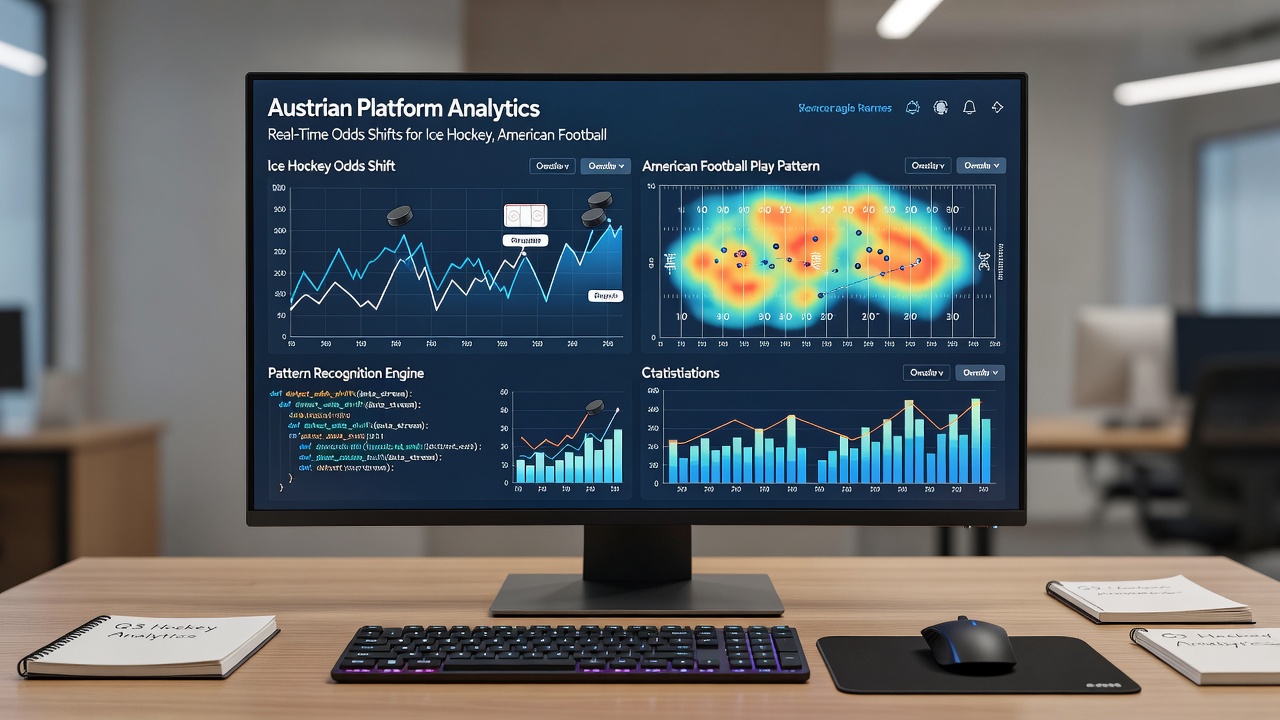
Formula 1 sessions generate steadier but still noticeable odds progressions that Austrian analytics track through telemetry points such as sector times and fuel loads, with the most pronounced changes occurring immediately after qualifying or during the opening laps of grands prix. Licensed operators report that championship odds for drivers adjust less dramatically than race-specific markets, yet safety car periods or mechanical retirements produce concentrated spikes that settle within three to five minutes once new probability distributions stabilize. According to reports compiled by the European Gaming and Betting Association, these F1-related movements align closely with data protocols shared among EU member states, ensuring consistency for cross-border users who access Austrian platforms.
Regulatory Context and Operator Compliance
Austria's licensing regime, administered through federal oversight bodies, mandates that operators document and audit real-time odds methodologies to maintain fairness standards, and this requirement has encouraged the adoption of centralized analytics tools that aggregate shift data across all authorized sites. In August 2026, updated reporting intervals introduced by the Austrian authorities required weekly submissions of volatility metrics for the three featured sports, which in turn highlighted recurring sequences such as pre-event line tightening followed by in-play expansion. Operators respond to these obligations by refining their models with machine-learning inputs drawn from previous seasons, thereby reducing discrepancies between platforms while preserving competitive differentiation in ancillary markets.
Cross-Sport Comparisons from Aggregated Data
Comparative analysis across the three disciplines shows that ice hockey exhibits the highest frequency of minor adjustments, American football produces the largest single-event swings, and Formula 1 maintains the most linear progression curves, yet all three demonstrate convergence toward equilibrium within defined time windows after each trigger event. Licensed operators use these insights to calibrate maximum stake limits and liability caps, which helps distribute risk evenly during peak viewing periods when live bet volumes rise sharply. External benchmarks from organizations such as the Australian Gambling Research Centre confirm that similar adjustment patterns appear in other regulated jurisdictions, underscoring the universal nature of algorithmic responses to live sports data.
Conclusion
Analytics drawn from Austrian licensed platforms continue to map reliable patterns in real-time odds behavior across ice hockey, American football, and Formula 1, with each sport displaying characteristic response profiles shaped by event frequency and data granularity. These documented sequences support ongoing refinements in risk management while satisfying regulatory expectations for transparency and consistency. As data collection expands through 2026 and beyond, operators gain clearer visibility into how in-game developments translate into market movements, enabling more precise calibration of live betting environments without altering the underlying principles of fair play established under Austrian licensing rules.